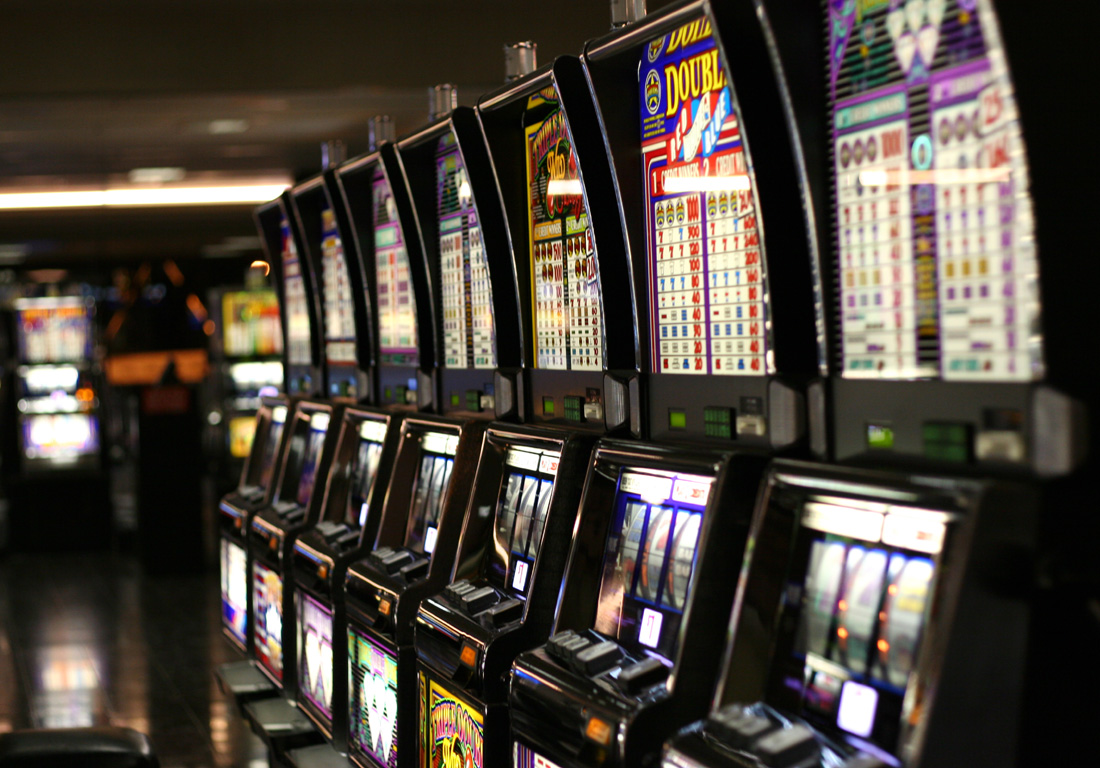
The world of slot gaming has seen a remarkable transformation over the decades. While many players are familiar with traditional fruit machines and basic video slots, the industry has shifted dramatically with cutting-edge technology, advanced algorithms, and player-centric innovations. This article explores the evolution of slot mechanics, uncovering hidden strategies, technological breakthroughs, and trends that define modern slot experiences.
The Transition from Mechanical to Digital Slots
Mechanical Roots
Classic slot machines, invented in the late 19th century, relied on physical reels and levers. These machines were purely mechanical and operated on simple randomization principles, where symbols aligned purely by chance. The charm of mechanical slots lay in their simplicity, tactile interaction, and the excitement of manually spinning the reels.
However, these machines had limitations:
-
Restricted paylines: Early machines typically featured only one payline, limiting winning combinations.
-
Physical wear and tear: Mechanical parts required constant maintenance and were prone to breakdowns.
-
Predictable patterns: Seasoned players could sometimes identify the reel sequences.
The Advent of Video Slots
With the introduction of video technology in the 1970s and 1980s, slot machines transitioned from mechanical gears to digital displays. Video slots brought several game-changing innovations:
-
Multiple paylines, often exceeding 100 in modern slots
-
Interactive bonus rounds and mini-games
-
Dynamic graphics and sound effects enhancing engagement
This shift allowed game developers to experiment with themes, storylines, and reward mechanics, creating a richer, more immersive gaming experience.
Understanding Advanced Slot Mechanics
Random Number Generators (RNGs)
Modern slots rely on Random Number Generators (RNGs) to determine outcomes. Unlike mechanical slots, RNGs ensure that each spin is independent and unpredictable, making fairness a cornerstone of online gaming.
Key points about RNGs include:
-
Continuous operation: RNGs generate thousands of numbers per second, even when the slot is idle.
-
Algorithm-based randomness: These systems use sophisticated algorithms to ensure outcomes remain unbiased.
-
Regulation compliance: RNGs are often audited by third-party organizations to maintain integrity.
Volatility and Payout Structures
Understanding volatility is crucial for strategic slot play. Volatility, sometimes called variance, measures how often and how much a slot pays out:
-
High volatility: Rare wins but larger payouts
-
Medium volatility: Balanced frequency and reward
-
Low volatility: Frequent smaller payouts
Modern developers leverage complex payout algorithms to balance player engagement with house edge, ensuring both entertainment and profitability.
Innovative Paylines and Reel Structures
Gone are the days of single-line reels. Modern slots use:
-
Megaways mechanics: Offering thousands of ways to win on a single spin
-
Cluster pays: Wins are based on groups of symbols rather than traditional lines
-
Expanding reels: Reels dynamically increase during bonus features for bigger wins
These innovations keep gameplay fresh and maximize the thrill of unpredictability.
AI-Powered Slot Gaming
Artificial intelligence is reshaping slot design and player interaction. AI enhances slots in several ways:
-
Personalized gameplay: AI algorithms analyze player behavior to adapt game difficulty or bonus frequency
-
Dynamic odds adjustment: While maintaining fairness, AI can subtly influence engagement levels
-
Fraud detection: AI identifies abnormal patterns to prevent cheating and maintain integrity
The integration of AI is not just technical; it creates hyper-personalized gaming experiences, making each player’s journey unique.
Psychological Mechanics in Modern Slots
Modern slots are not just about chance; they are meticulously designed around player psychology:
-
Near-miss mechanics: Creating the illusion of being close to a win, triggering repeated plays
-
Reward loops: Small, frequent rewards keep players engaged and reinforce positive behavior
-
Sensory design: Sounds, animations, and haptic feedback enhance the immersive experience
Understanding these mechanisms is vital for both developers aiming for engagement and players who want to make informed decisions about their gameplay.
Blockchain and Provably Fair Slots
Another revolutionary development is the integration of blockchain technology in slot gaming:
-
Transparency: Blockchain allows players to verify outcomes independently
-
Smart contracts: Automatic payout systems ensure fairness and prevent manipulation
-
Cryptocurrency support: Enables seamless, borderless transactions
Provably fair slots are particularly appealing to tech-savvy players who prioritize security and transparency in online gaming.
The Rise of Skill-Based Slots
Not all modern slots rely solely on chance. Skill-based slots combine traditional mechanics with interactive elements requiring player input:
-
Target-based mini-games influencing payouts
-
Puzzle or strategy elements that reward knowledge or speed
-
Integration with esports-style mechanics to attract younger audiences
Skill-based slots represent a blurring of the line between traditional gambling and gaming, appealing to a broader demographic.
Responsible Gaming Innovations
Modern slot development also emphasizes responsible gaming features:
-
Loss limits and session timers to prevent excessive play
-
Voluntary self-exclusion tools integrated into platforms
-
Behavioral tracking to identify problematic patterns early
These innovations aim to protect players without compromising entertainment value, reflecting the industry’s commitment to ethical practices.
Future Trends in Slot Mechanics
The future promises even more exciting developments:
-
AR/VR integration: Fully immersive slots with 3D environments
-
Adaptive AI: Games that evolve in real-time based on player reactions
-
Interconnected jackpots: Networked slots offering massive, multi-platform prizes
-
Sustainable game design: Energy-efficient digital platforms to reduce carbon footprints
As technology continues to evolve, slots will likely become more interactive, personalized, and socially engaging than ever before.
Conclusion
Modern slot mechanics are a blend of tradition and innovation. From the tactile charm of mechanical reels to AI-driven, skill-based, and blockchain-powered experiences, the industry is continually evolving. By understanding the technology, psychology, and trends behind these games, players can appreciate the complex artistry and engineering that goes into every spin.
Frequently Asked Questions (FAQ)
1. How does slot volatility affect long-term gameplay?
Volatility determines the frequency and size of payouts. High volatility slots reward patience with bigger wins, while low volatility slots offer more consistent, smaller wins. Understanding volatility helps players align games with their risk tolerance.
2. Are AI-driven slots fair for players?
Yes. AI in slots enhances engagement and personalization but operates within regulated RNG frameworks. Independent audits ensure outcomes remain unbiased and fair.
3. Can blockchain truly make slots provably fair?
Absolutely. Blockchain allows every spin to be verified using public ledger technology, ensuring transparency and reducing the possibility of manipulation.
4. What are skill-based slots, and how do they differ from traditional slots?
Skill-based slots integrate interactive elements requiring player decisions, unlike traditional slots which rely purely on chance. These games often feature mini-games, puzzles, or strategy-based outcomes.
5. How do near-miss mechanics influence player behavior?
Near-miss mechanics create a sense of almost winning, triggering excitement and encouraging continued play. It’s a psychological design that enhances engagement without altering RNG fairness.
6. Will virtual reality change how slots are played?
VR has the potential to create fully immersive slot experiences, where players interact with 3D environments, increasing realism and engagement beyond traditional screens.
7. Are modern slots safer for responsible gaming?
Yes. Features like loss limits, session timers, and behavioral tracking help players maintain control while enjoying games, reflecting a focus on ethical gaming practices.