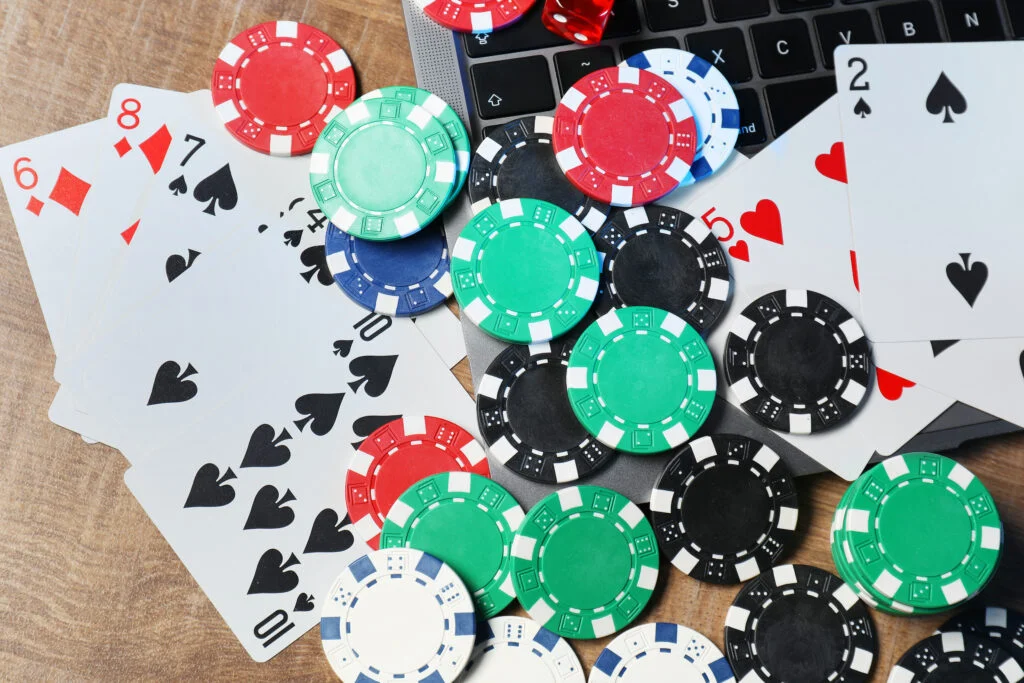
For centuries, gambling has fascinated people across the globe. The thrill of chance, the rush of risk, and the hope of winning have made it one of humanity’s most enduring pastimes. But beneath the surface of flashing lights and spinning reels lies an age-old debate: what truly determines success in gambling—luck or skill? Understanding the role of luck vs. skill in gambling not only provides insight into player psychology but also helps individuals make more informed and responsible decisions about how they play.
Gambling blends both elements in intricate ways. While luck often takes center stage, skill can dramatically influence outcomes in certain games. The balance between the two varies by game type, player strategy, and even mindset.
Defining Luck and Skill in the Context of Gambling
Before exploring their relationship, it’s crucial to define what we mean by luck and skill in gambling.
Luck refers to random outcomes beyond a player’s control. In games of chance, results are determined by probabilities that cannot be influenced by strategy or decision-making. Whether you win or lose depends on sheer randomness. Examples include slot machines, roulette, and lotteries.
Skill, on the other hand, involves the application of knowledge, strategy, and experience to influence the odds. Skilled gamblers use probability, psychology, and decision-making to tilt results slightly in their favor. Games like poker, blackjack, and sports betting are often categorized as skill-based because they allow players to apply techniques that affect outcomes over time.
Understanding how these two forces interact reveals the essence of gambling itself: a dance between control and chaos.
Games of Pure Luck
Certain gambling activities rely entirely on chance, meaning no amount of skill or strategy can change the outcome. These games are designed with random number generators (RNGs) or physical randomness that ensures fairness and unpredictability.
Examples of Pure Luck Games:
- Slot Machines: Outcomes are controlled by RNG software, which randomly determines each spin. No pattern, timing, or technique can influence results.
- Roulette: Once the wheel spins, neither player choice nor betting strategy affects where the ball lands.
- Lotteries and Scratch Cards: Results are pre-determined by random selection or printed combinations.
The appeal of these games lies in their simplicity and accessibility. Players do not need specialized knowledge—just hope and a willingness to take a chance. The excitement comes from unpredictability, but so does the risk. Over the long run, the “house edge” ensures the casino maintains a mathematical advantage.
In such games, luck reigns supreme. However, understanding probability and bankroll management can still help players make smarter choices about how and when they play.
Games Where Skill Matters
While luck dominates many forms of gambling, skill-based games allow players to make decisions that meaningfully affect outcomes. Over time, skillful play can shift the odds, turning what seems like pure chance into a contest of strategy and intellect.
Poker: The Classic Example of Skill-Based Gambling
Poker is perhaps the most iconic example of a skill-based game. While each hand involves luck in the cards dealt, success largely depends on the player’s decisions—betting patterns, reading opponents, bluffing, and bankroll management.
Professional poker players win consistently over the long term because they understand probabilities and human behavior. While luck affects short-term results, skill determines long-term success.
Blackjack: Beating the House with Strategy
Blackjack combines both elements elegantly. Each round depends on the cards dealt, but players can use mathematical strategies such as card counting and optimal decision-making to reduce the house edge. Skilled players who adhere to proper strategy can bring the casino’s advantage down to less than 1%, transforming a game of chance into a test of discipline and logic.
Sports Betting: Knowledge and Analytical Skill
Sports betting sits at the intersection of data analysis and intuition. While outcomes depend on the performance of athletes and unpredictable events, informed bettors use statistics, form analysis, and historical data to make educated wagers.
For example, understanding player injuries, weather conditions, or team morale gives bettors a measurable edge over casual players who rely solely on luck.
In these cases, skill doesn’t eliminate chance—but it refines it. The better your decisions, the more consistent your results become over time.
The Balance Between Luck and Skill
Every gambling activity lies somewhere on the luck-skill spectrum. Few games are entirely one or the other. Even in poker, where skill dominates, chance can dictate short-term results. Conversely, even in slot games, strategic bankroll management can influence how long a player remains in the game.
Here’s how different types of gambling balance these two forces:
| Type of Game | Luck | Skill |
|---|---|---|
| Slot Machines | 100% | 0% |
| Roulette | 100% | 0% |
| Blackjack | 60% | 40% |
| Poker | 30% | 70% |
| Sports Betting | 50% | 50% |
| Horse Racing | 40% | 60% |
These ratios are approximate, but they illustrate an important point: understanding where a game sits on this spectrum helps players set realistic expectations and strategies.
The Psychology of Luck
Human beings are wired to seek patterns, even in random events. This psychological bias—known as the illusion of control—makes players believe they can influence outcomes that are purely random.
Common Psychological Biases in Gambling:
- Gambler’s Fallacy: The mistaken belief that past outcomes affect future ones, such as thinking a slot machine is “due” for a win after many losses.
- Hot-Hand Fallacy: The perception that a streak of wins will continue indefinitely.
- Confirmation Bias: Focusing on wins and ignoring losses to justify continued play.
Casinos capitalize on these biases. The lights, sounds, and near-miss outcomes are designed to keep players engaged, reinforcing the illusion that success is just one spin away. Understanding that luck cannot be controlled helps gamblers make rational choices rather than emotional ones.
The Science Behind Skill
Skill, on the other hand, can be measured and developed. Skilled gamblers use mathematics, observation, and psychology to gain an advantage.
Key Elements of Gambling Skill:
- Probability Knowledge: Understanding odds, expected value, and risk-reward ratios.
- Decision-Making: Knowing when to bet, fold, or walk away.
- Emotional Discipline: Managing tilt (emotional frustration after losses) to maintain logical play.
- Bankroll Management: Allocating funds wisely to sustain long-term participation without reckless losses.
- Observation and Adaptation: Reading opponents in poker or adjusting strategies based on game flow.
Skill transforms gambling from pure chance into a structured competition. In games like poker or sports betting, skilled players consistently outperform beginners, proving that knowledge and discipline can reduce luck’s role over time.
The Role of Variance and Long-Term Outcomes
Even the most skilled gamblers experience losing streaks due to variance—the natural fluctuations caused by randomness. Understanding variance is essential to maintaining perspective.
For instance, a professional poker player might lose several sessions despite making correct strategic decisions. Over thousands of hands, however, the results align with skill rather than chance. Short-term luck may create noise, but long-term outcomes reveal consistency.
This principle applies across all forms of gambling. Luck dominates the short term; skill prevails in the long run.
Legal and Ethical Implications
The distinction between luck and skill also affects how governments regulate gambling. Many jurisdictions differentiate between games of chance and games of skill for legal purposes.
- Games of chance often fall under stricter regulations or bans due to their addictive potential.
- Skill-based games may be classified differently, allowing for competitive play or reduced taxation.
Understanding this distinction has led to debates about whether poker and certain fantasy sports should be legally recognized as games of skill rather than gambling.
How Players Can Use Skill to Their Advantage
Even when luck dominates, adopting skill-based principles can enhance a player’s experience and reduce losses.
Practical Strategies for Smarter Gambling:
- Know the Odds: Always understand house edges and payout structures before playing.
- Set Limits: Establish time and money boundaries to prevent emotional decision-making.
- Learn Basic Strategy: In blackjack, poker, or sports betting, study proven methods to improve long-term success.
- Play for Entertainment: Treat gambling as a leisure activity, not a source of income.
- Stay Rational: Accept losses as part of the experience rather than chasing them.
Skill in gambling is less about controlling outcomes and more about managing behavior, expectations, and emotions.
The Human Element: Why the Balance Matters
The interplay between luck and skill keeps gambling engaging. Too much luck makes it arbitrary; too much skill can make it predictable. The uncertainty of results is what fuels the excitement and emotional connection players feel.
Casinos and online platforms understand this balance intimately. They design games that combine unpredictability with enough perceived control to keep players invested. This duality creates the tension and thrill that define gambling’s appeal.
Frequently Asked Questions
Q1: Can skill completely overcome luck in gambling?
No. Even in skill-based games like poker, luck still plays a role in short-term outcomes. However, consistent skillful play can ensure long-term profitability.
Q2: Which casino games involve the most skill?
Poker and blackjack are considered the most skill-dependent, as player decisions significantly affect results. Roulette and slots rely almost entirely on chance.
Q3: How can players distinguish between skill-based and luck-based games?
Skill-based games allow players to influence results through strategy or decision-making. Luck-based games offer no such control, relying solely on random outcomes.
Q4: Does practice improve gambling performance?
Yes, in games involving strategy or analysis, such as poker or sports betting. Practice improves decision-making, emotional control, and probability understanding.
Q5: Why do people overestimate their influence in gambling?
Psychological factors like the illusion of control and gambler’s fallacy make people believe they can affect random outcomes, leading to overconfidence and risky behavior.