1
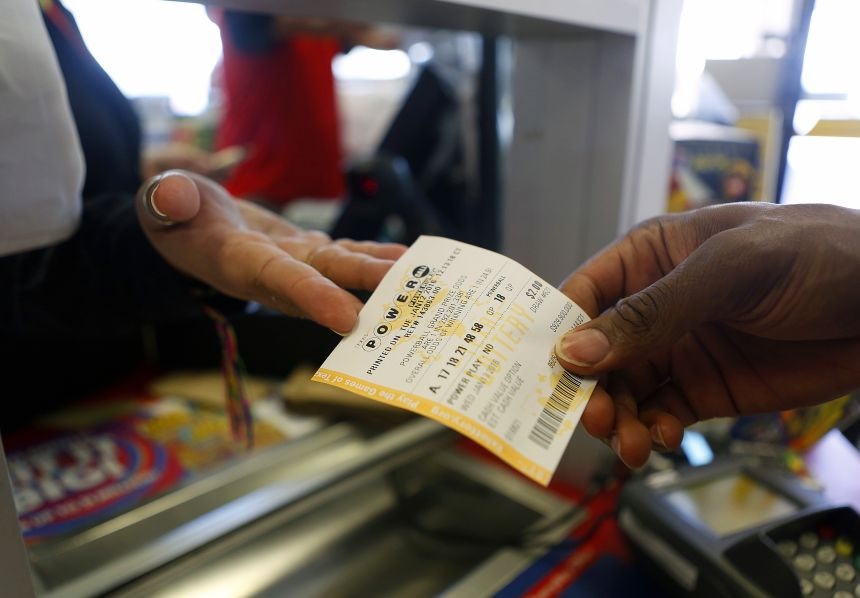
For generations, participating in a state lottery meant a physical trip to a local convenience store, gas station, or dedicated kiosk. It required standing in line, handing over cash, and carefully guarding a small slip of thermal paper until the numbers were drawn. While this traditional retail model has sustained state lotteries for decades, a massive shift in consumer behavior is currently rewriting the rules of the game. Enter the digital lottery ticket courier service, a rapidly expanding business model that brings the age-old tradition of the lottery directly to the modern smartphone.
As digital transformation touches nearly every aspect of commerce, the demand for app-based lottery purchasing has surged. Understanding how these platforms operate, why consumers are flocking to them, and how they navigate a complex web of state regulations provides a fascinating look into the future of gaming and state-sponsored entertainment.
The Mechanics of Digital Lottery Couriers
To appreciate the rise of online lottery platforms, it is important to understand exactly how they function. Unlike state-run digital lotteries—where the state itself sells a digital entry directly to the consumer—third-party courier services act as an intermediary.
When a user downloads a lottery courier app, they create an account, verify their identity, and fund their digital wallet. From there, they can select their numbers for major draw games like Mega Millions or Powerball, as well as local state games. Once the order is placed, the courier service dispatches a local agent or utilizes an automated system to purchase a physical, printed ticket from an officially licensed retailer on the user’s behalf.
The service then scans a high-resolution image of the front and back of the ticket, uploading it to the user’s account as proof of purchase, while the physical ticket is stored in a secure, fireproof vault. If the ticket wins a minor prize, the platform typically credits the user’s account directly. For larger jackpots, the courier arranges for the secure delivery of the physical ticket to the winner so they can claim their prize in person following the state lottery’s standard claim process [cite: 1.1.1].
Why Consumers Are Making the Switch
The rapid adoption of these digital platforms is driven by a convergence of consumer expectations, technological advancements, and demographic shifts.
Unprecedented Convenience
The modern consumer expects on-demand access to goods and services, and lottery play is no exception. Digital couriers eliminate the need to travel to a store, wait in line, or carry cash. Users can participate in major jackpot events from the comfort of their living rooms or during a quick commute, provided they are physically located within the state’s borders [cite: 1.1.1]. This 24/7 accessibility transforms the purchasing experience from an errand into a seamless, spontaneous digital transaction.
Enhanced Security and Ticket Tracking
One of the most persistent anxieties for traditional lottery players is the fear of losing a winning ticket or accidentally destroying it in the wash. Because a lottery ticket is traditionally a bearer instrument—meaning whoever holds it can claim the prize—a lost ticket represents a total loss.
Digital couriers effectively solve this problem. The digital scan creates an indisputable trail of ownership tied directly to the user’s verified identity. Furthermore, users receive automated notifications if their numbers hit, eliminating the risk of a winning ticket sitting unchecked in a wallet for months.
Reaching a New Demographic
State lotteries have long grappled with the challenge of aging player bases. Younger generations, particularly Millennials and Gen Z, interact with commerce almost entirely through their mobile devices. By moving the point of sale to a mobile application, courier services tap into a demographic that historically bypasses traditional retail channels. This mobile expansion provides state lotteries with a significant fringe benefit by subsidizing marketing costs and engaging a demographic that is otherwise difficult to reach [cite: 1.1.3].
Navigating a Fragmented Regulatory Landscape
While the consumer benefits are clear, the operational reality for digital lottery couriers is incredibly complex. The United States does not have a unified national lottery system; rather, lotteries are operated and regulated at the individual state level. Furthermore, federal law—specifically statutes dating back to the late 1800s—prohibits the interstate traffic of lottery tickets [cite: 1.1.3]. This means a courier service cannot purchase a ticket in New York and digitally sell it to a user in New Jersey.
To comply with federal regulations, courier platforms must utilize sophisticated geo-fencing technology to ensure that players are physically located within the state where the ticket is being purchased [cite: 1.1.1]. However, even with strict intrastate compliance, legality remains a patchwork quilt that varies drastically from one jurisdiction to the next [cite: 1.1.1].
Varying Degrees of State Tolerance
The reception of courier services by state regulators generally falls into three categories: explicit regulation, informal tolerance, or outright prohibition.
Regulated and Approved: States like New York and New Jersey have embraced the courier model, creating formal licensing frameworks that explicitly approve and regulate these third-party operators [cite: 1.1.2]. By bringing couriers into the regulatory fold, these states ensure rigorous oversight while benefiting from increased ticket sales.
Informal Tolerance: Many states currently operate in a gray area where courier services are neither explicitly licensed nor actively prosecuted. In these markets, the platforms operate carefully, maintaining strict compliance with broader consumer protection laws while regulators monitor the landscape [cite: 1.1.2].
Active Opposition and Bans: Conversely, some states have taken decisive action to block third-party ticket sales. The California Lottery, for example, is a vocal opponent, explicitly declaring that retailer participation in online lottery courier services violates state law and their retailer contracts. Similarly, Texas—which previously saw hundreds of millions of dollars in lottery sales driven by courier platforms—formally banned the practice in 2025 following controversies surrounding large-scale, automated ticket purchases.
The Economic Implications for State Lotteries
The primary mandate of any state lottery is to generate revenue for public initiatives, such as education, infrastructure, or veteran services. From an economic standpoint, lottery couriers act as a powerful new retail channel. By removing friction from the purchasing process, they drive a higher volume of sales, particularly during massive, record-breaking jackpot runs when casual players are most likely to participate.
However, this influx of digital sales can create tension with traditional brick-and-mortar retailers. Convenience stores rely heavily on the foot traffic generated by lottery players, who often purchase snacks, beverages, and fuel alongside their tickets. State lottery commissions must perform a delicate balancing act: embracing digital innovation to boost overall revenue while protecting the interests of the physical retailers who have formed the backbone of their distribution networks for decades.
Prioritizing Player Safety and Responsible Gaming
As gaming moves onto digital devices, consumer protection takes on a new level of importance. Reputable lottery couriers differentiate themselves by implementing compliance standards that often match or exceed those required for traditional casino gaming.
Strict Identity Verification: Operators utilize robust Know Your Customer (KYC) protocols, requiring users to verify their age and identity using government-issued documents before they can fund an account or place an order [cite: 1.1.2]. This effectively prevents underage access, which can be much harder to police in a busy retail environment.
Location Checks: Using advanced GPS tracking and IP monitoring, platforms ensure that purchases are strictly geo-fenced. If a user attempts to order a ticket while crossing state lines, the transaction is automatically blocked [cite: 1.1.1].
Responsible Gambling Features: A major advantage of digital platforms is the ability to monitor and manage user behavior. Licensed couriers integrate responsible gaming measures directly into their applications. Users can set daily, weekly, or monthly deposit limits, restrict their playtime, or opt into self-exclusion lists if they feel their spending is becoming problematic [cite: 1.1.1].
The Road Ahead for Digital Lotteries
The digital transformation of the lottery industry is still in its early stages. As technology continues to evolve and consumer expectations solidify around mobile-first solutions, the pressure on state legislatures to clarify their stance on courier services will only increase.
The industry is likely to see a gradual shift toward formalized regulation. States that currently tolerate couriers informally may recognize the financial and protective benefits of bringing them under direct state oversight. By establishing clear rules around auditing, advertising, and data security, states can protect their citizens while modernizing their revenue streams.
Ultimately, the traditional paper ticket and the digital courier app will likely coexist for the foreseeable future, catering to different segments of the market. The convenience, security, and accessibility of digital services have permanently altered the landscape, proving that even the most traditional of institutions must eventually adapt to the digital age.